Exhibition catalog · Study edition 1.0 · November 25, 2026
Silver Gelatin Street
In August 2026, a Massachusetts auction offered twenty-eight black-and-white photographs from the Soviet Union. Following the clues on the prints led the collector to Alexander Roshchin, a photographer in St. Petersburg whose own work was in the lot. These twelve prints tell the story of what they learned through their correspondence.
In the auction photograph, several prints lay in a stack. The listing for lot 387 at White’s Auctions mentioned Leningrad and gave a broad date range. It supplied no names for the individual photographs.
The backs gave the collector somewhere to start. Handwritten titles, names and club stamps tied some prints to particular photographers. The reverse of Non-Black Earth Region, for example, gives both Viktor Orlov’s name and the Russian title.
Finding Alexander
The search led online to Alexander Roshchin, who had joined the photo club at the Vyborg Palace of Culture in 1985. The collector sent him scans of the front and back of all twenty-eight prints. Some were Roshchin’s own photographs. He recognized work by fellow photographers and began sharing what he remembered about the people, places and exhibitions connected to the prints.
What the photographs revealed
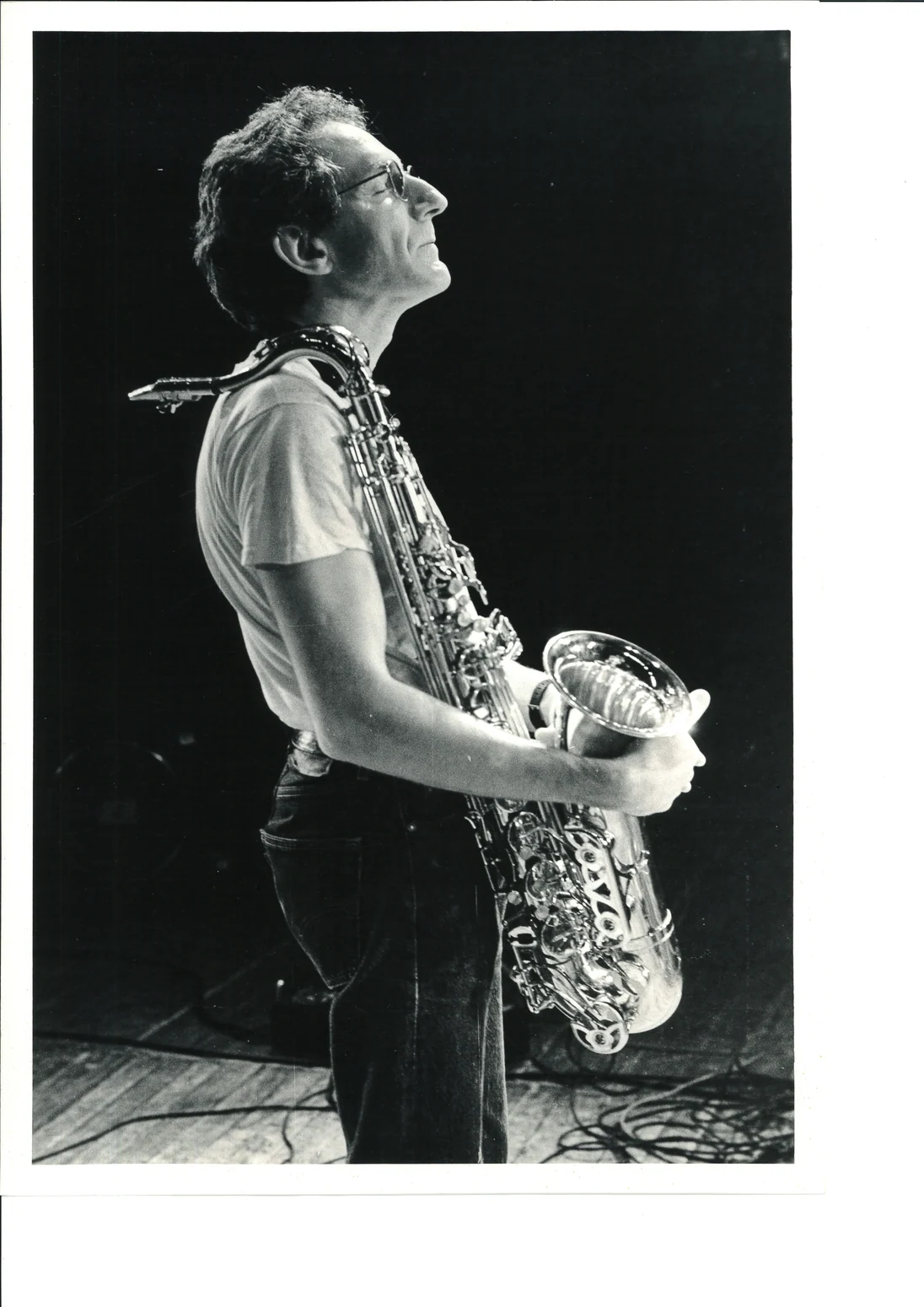
Karlov’s stamp and the photo studio inscription identify the maker of the three Funeral photographs. Roshchin supplied their order. He placed Nikolai Pimenov’s jazz photograph at a Leningrad festival. An archival photograph of a March 1989 exhibition shows the same composition as one of Karlov’s untitled works in the collection.
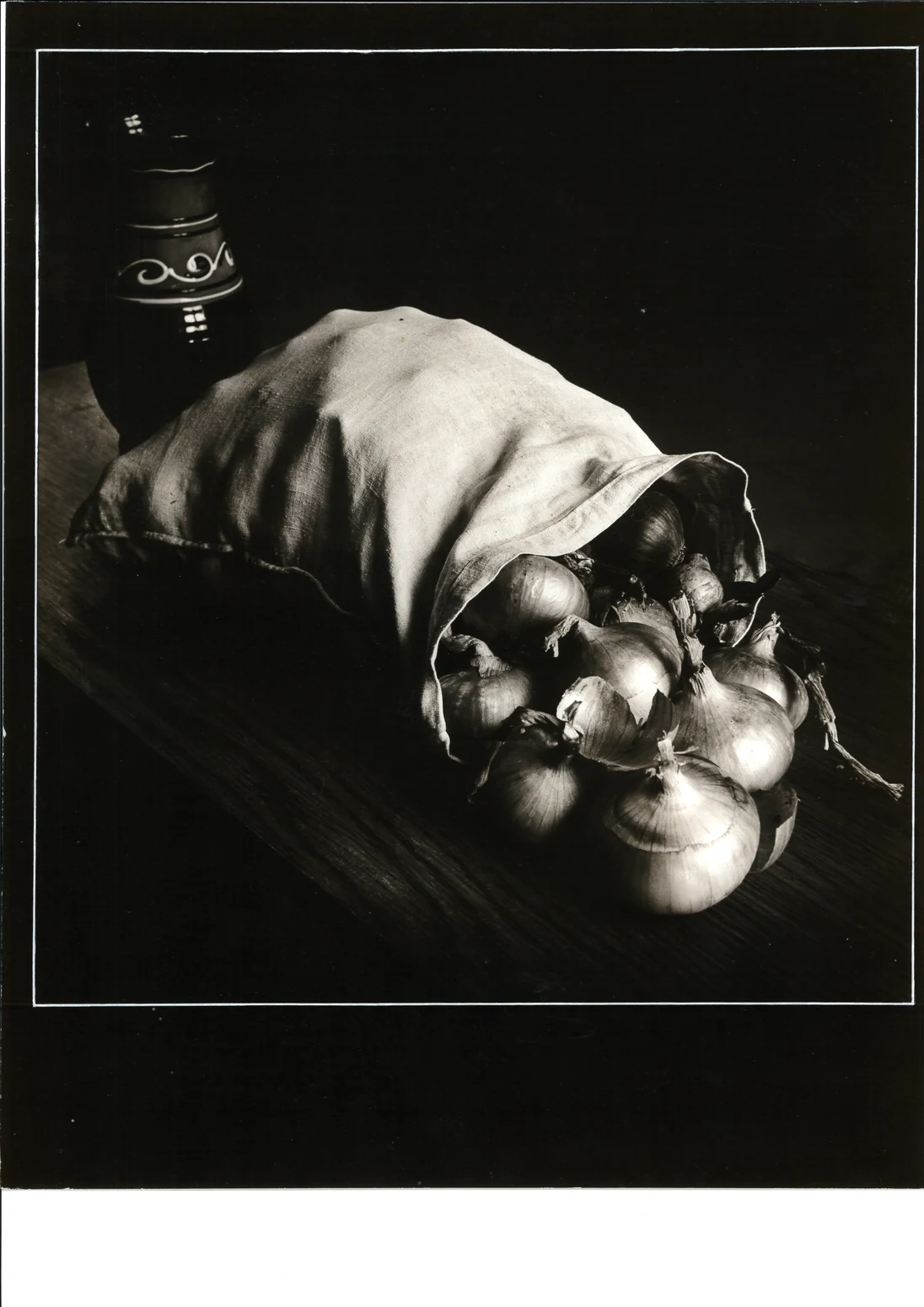
Among Roshchin’s own prints, one reverse carried the earlier wording Sack of Flour. Roshchin identified the subject as onions and supplied the corrected title. The record preserves both wordings so readers can see how the identification changed.
Back to the photo club
The correspondence became an exchange about photography. Roshchin shared photographs he still returned to, including one he made in 1988 of children in front of the cruiser Aurora. The collector sent photographs of New York by Berenice Abbott, Sid Grossman and Leon Levinstein.
Roshchin wrote that he planned to introduce the collection and tell the story of how it came together at a November 2026 meeting of the Vyborg Palace of Culture photo club, known as VDK. The prints had traveled far from Leningrad. He wanted their story to reach the club’s current members in St. Petersburg.
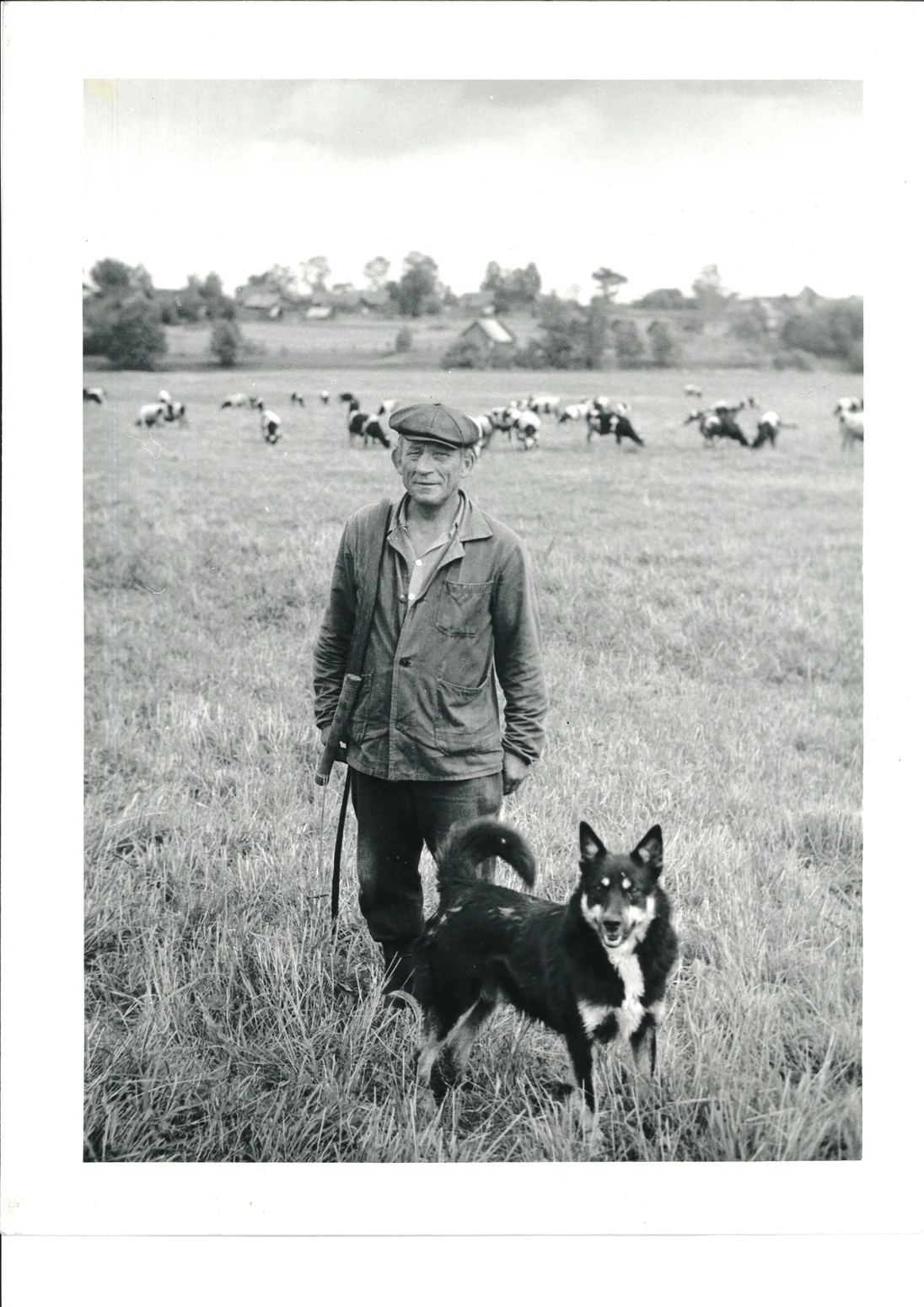
Non-Black Earth Region
Viktor Orlov · c. late 1970s-early 1980s · ORL1
The handwritten reverse identifies Viktor Orlov and gives the title «Нечерноземье». Alexander Roshchin estimates the scene dates to the late 1970s or early 1980s.
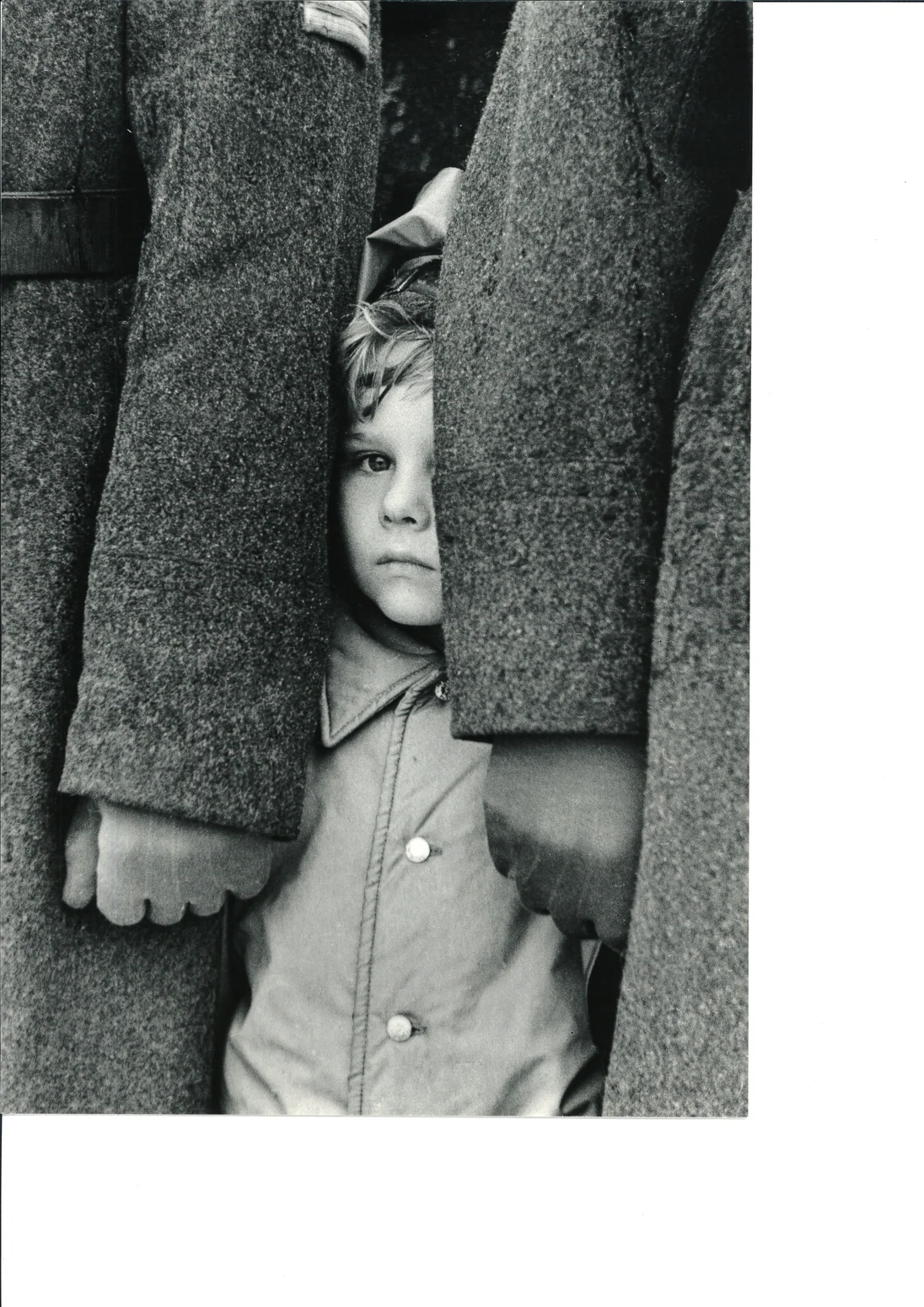
The verso credits Valery Degtyarev. Alexander Roshchin dates the scene to May 9, 1975, and identifies the boy as part of an honor guard. The collection research records a ROSPHOTO interview showing Degtyarev holding the matching negative.
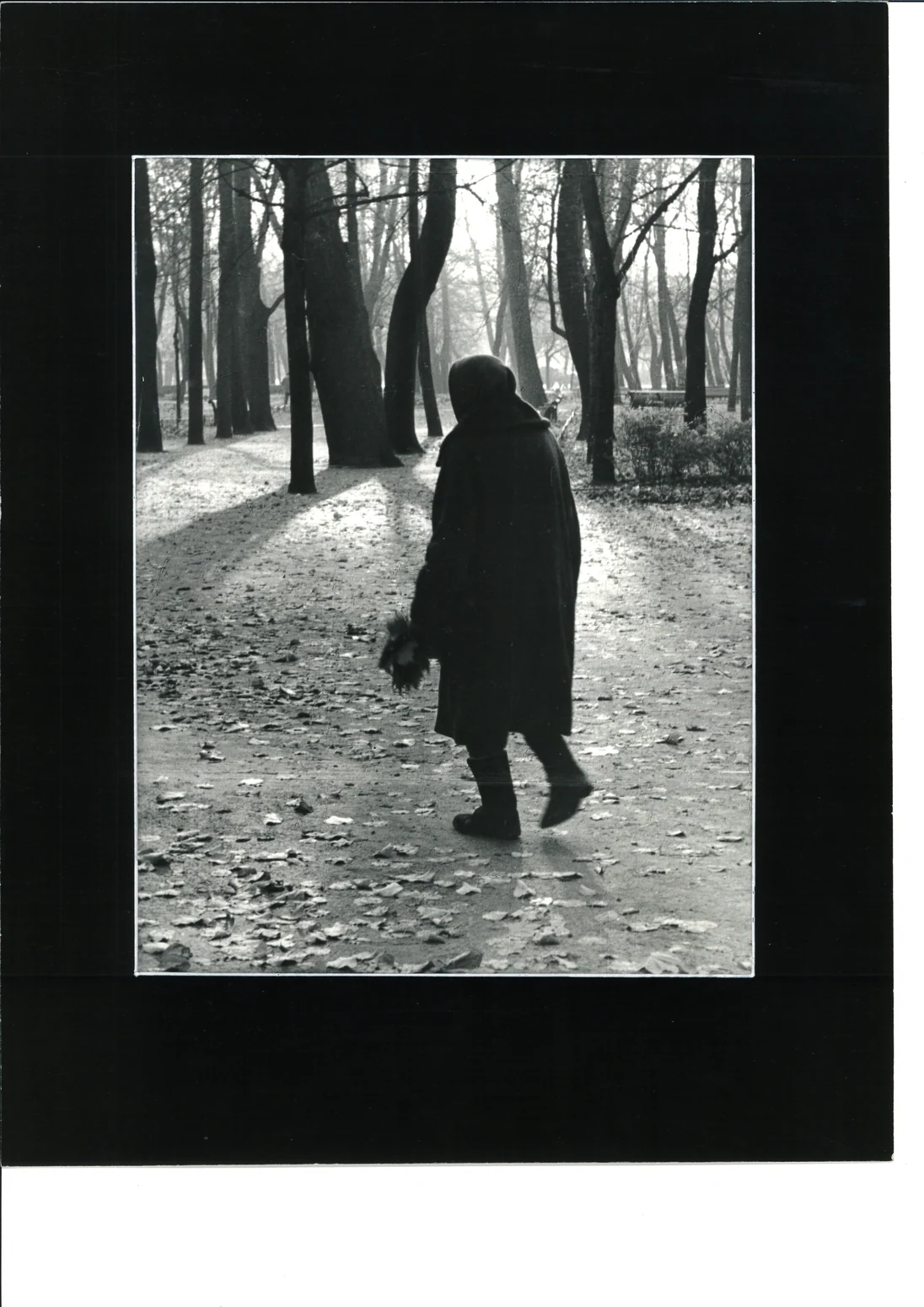
Tatiana Anikhova · circa 1983–1985 (autumn; Roshchin recollection) · ANI2
The verso gives the Russian title and identifies Tatiana Anikhova and the Vyborg Palace of Culture photo studio. Alexander Roshchin identifies the setting as Leningrad’s Summer Garden and dates the image to around 1983–1985.
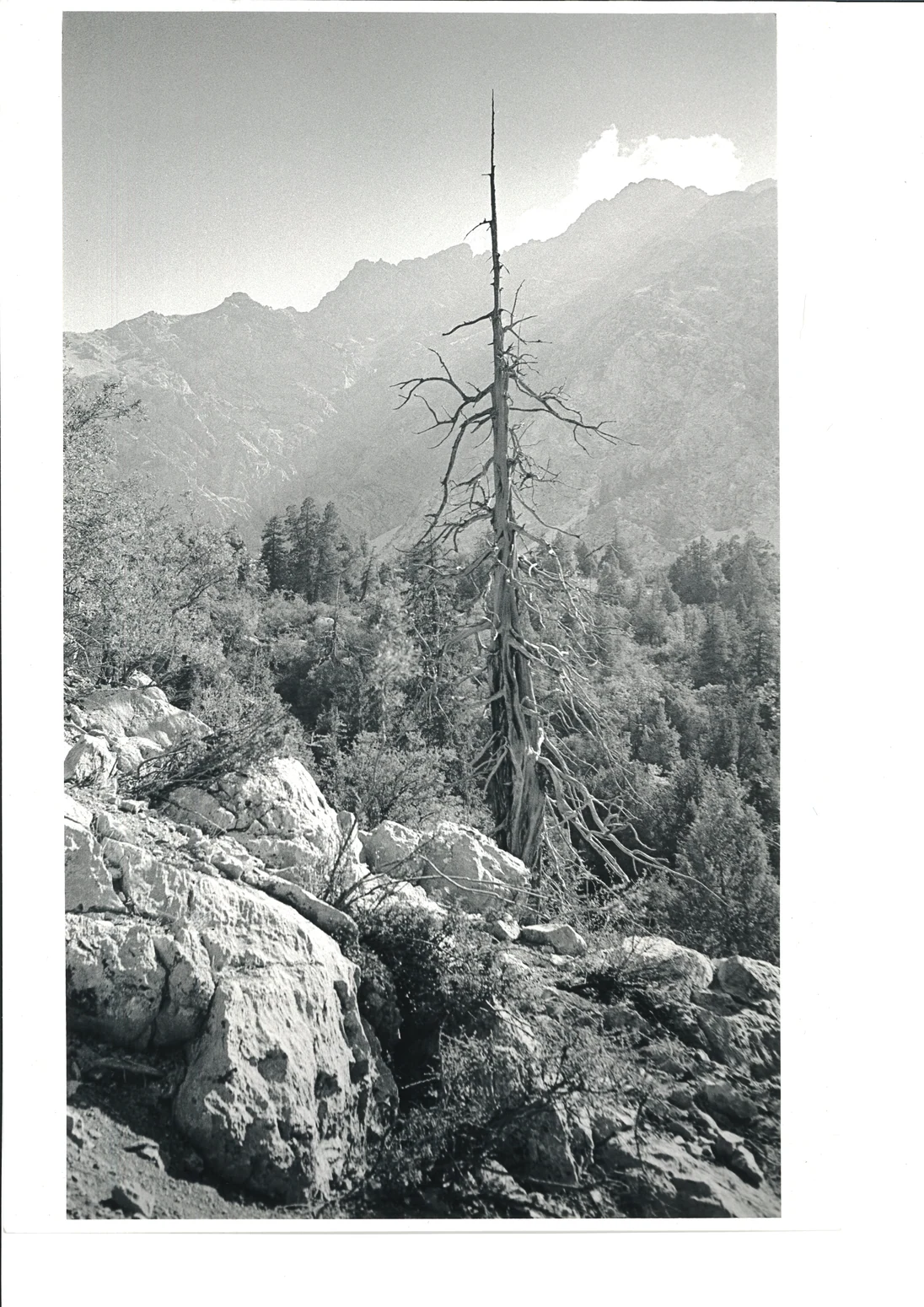
Protected Kyrgyzstan: Morning in the Pamir-Alay Mountains
Alexander Roshchin · September 1986 · ROS6
Roshchin corrected the title recorded on the reverse and identified the mountains as the Pamir-Alay. He made the photograph during a September 1986 group hiking trip.
Alexander Roshchin. “Protected Kyrgyzstan: Morning in the Pamir-Alay Mountains.” September 1986. Silver Gelatin Street, object ROS6. https://silvergelatinstreet.com/works/ros6
Verso of the collection print
Alexander Roshchin, correspondence about his own photographs, October 25, 2026.
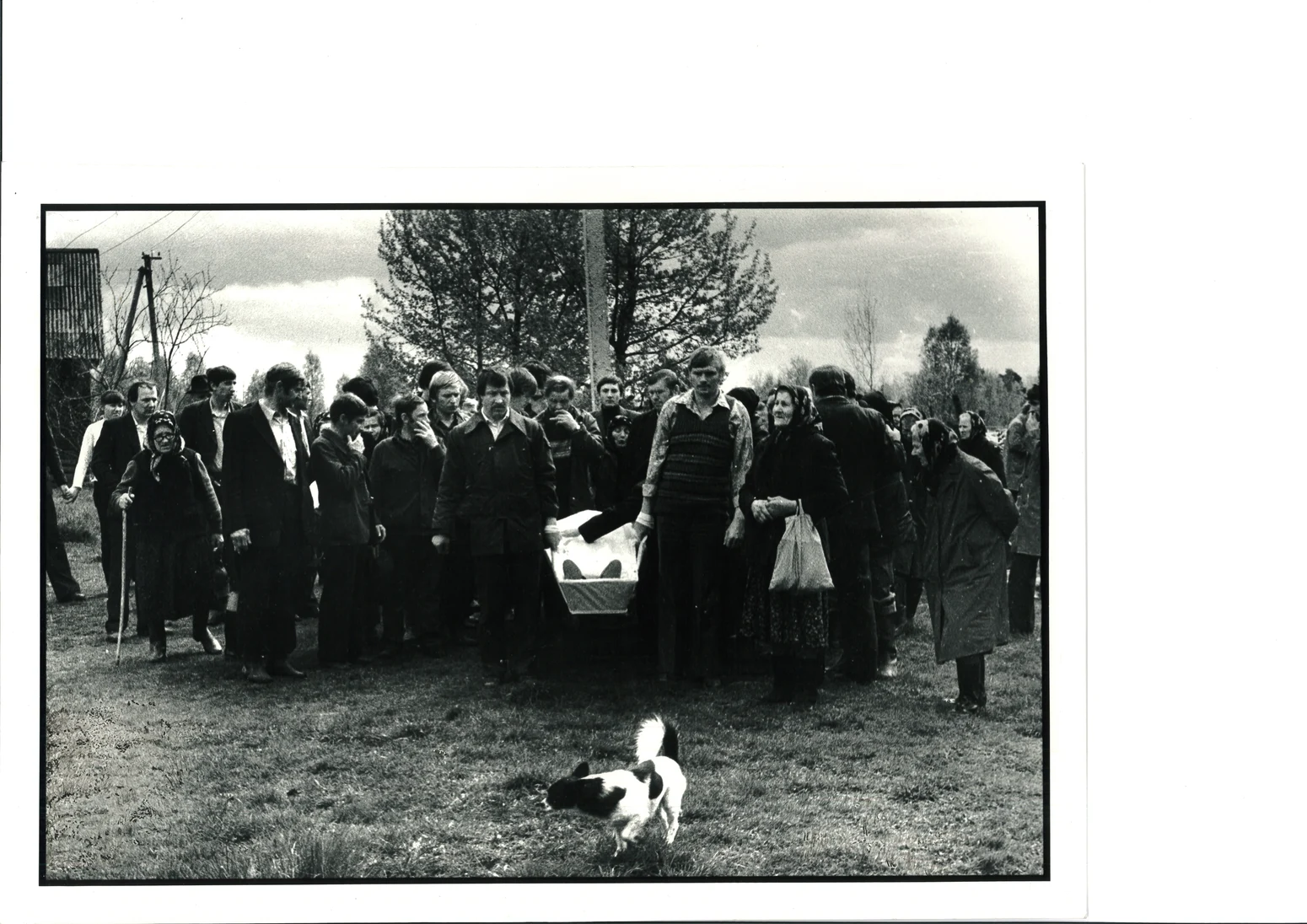
Konstantin Karlov · c. 1983–1986 (series estimate) · KAR1
The reverse carries Karlov’s name stamp and a Vyborg Palace of Culture photo studio inscription. Alexander Roshchin identifies this as the first of three rural funeral photographs and estimates the sequence dates to 1983–1986.
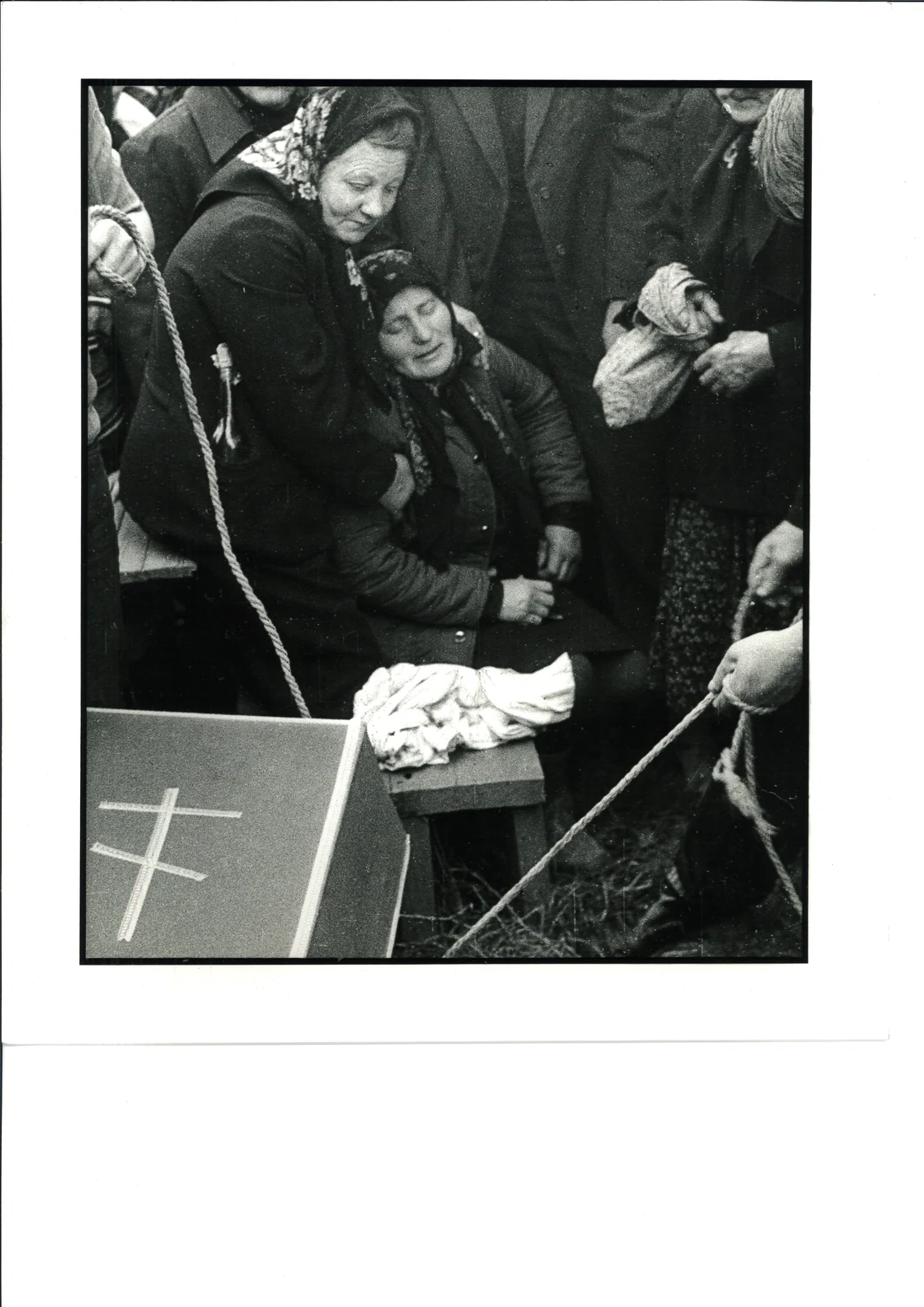
Konstantin Karlov · c. 1983–1986 (series estimate) · KAR2
Karlov’s stamp and the photo studio inscription appear on the reverse. Alexander Roshchin identifies the frame as the second in the three-image Funeral sequence.
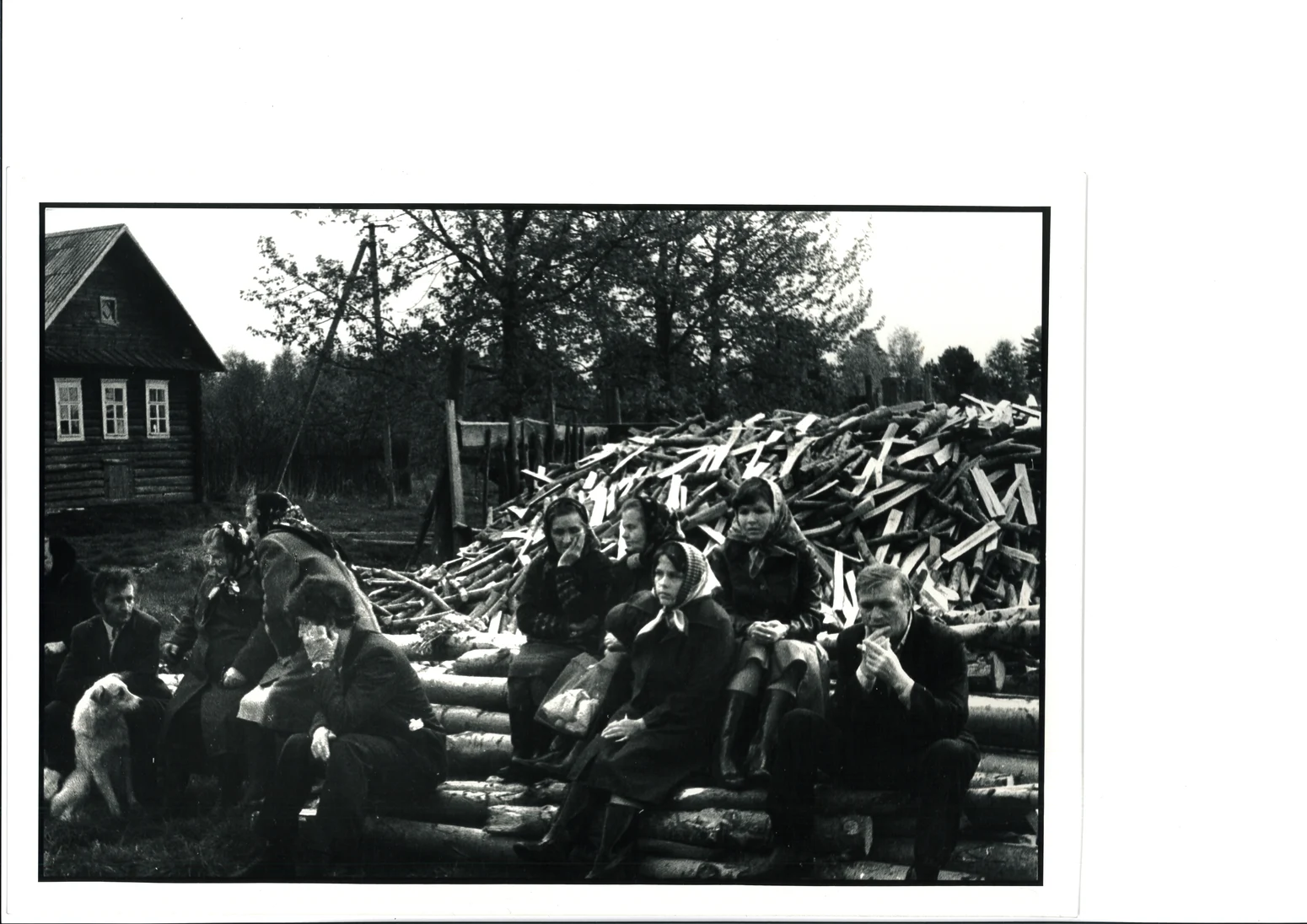
Konstantin Karlov · c. 1983–1986 (series estimate) · KAR3
The reverse identifies Karlov and the Vyborg Palace of Culture photo studio. Alexander Roshchin places the photograph third in the Funeral sequence and dates the sequence to the mid-1980s.
The reverse identifies Pimenov and the Jazz Never Grows Old series. Alexander Roshchin places the musician at a Leningrad jazz festival and estimates 1987–1988.
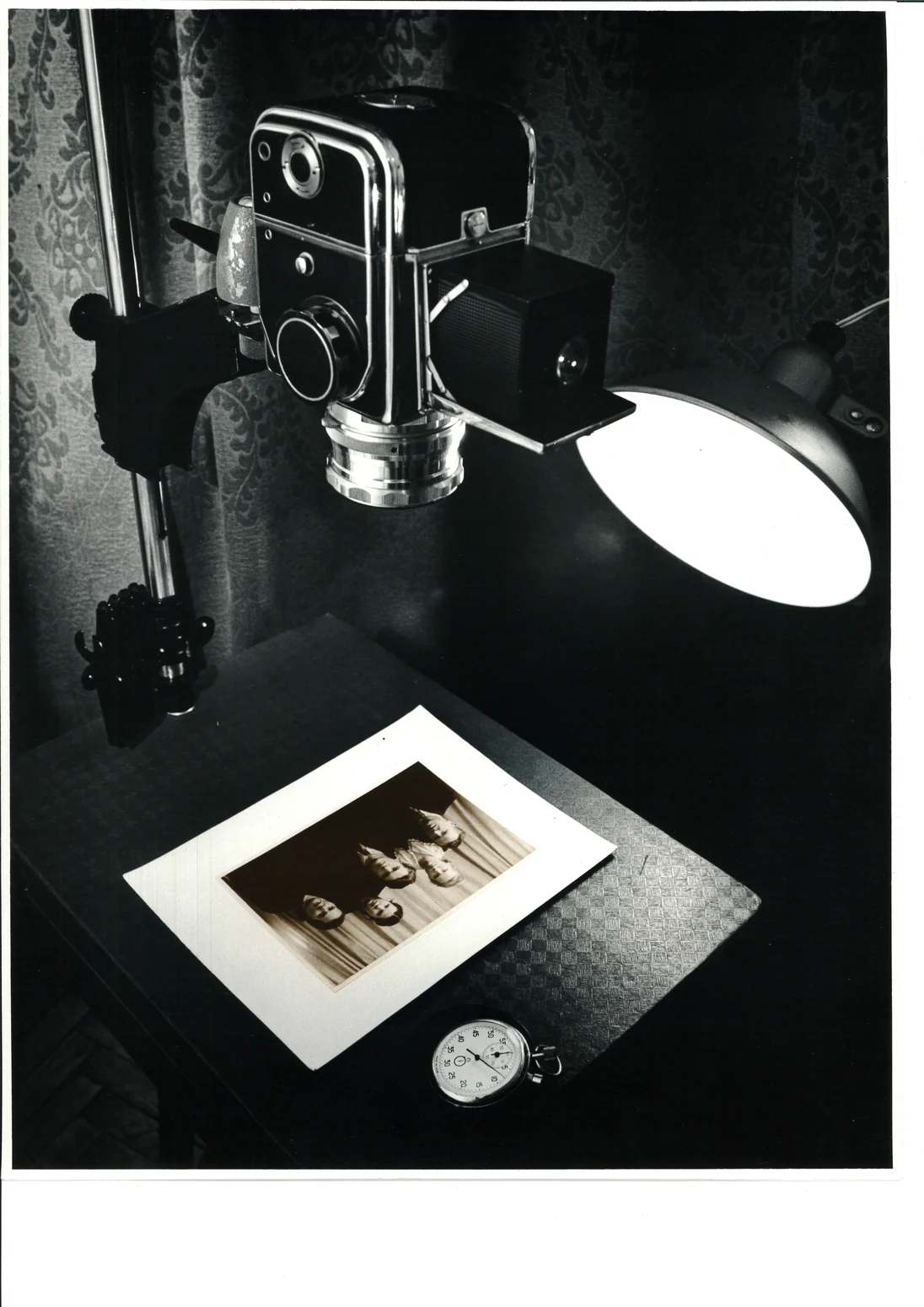
Konstantin Karlov · 1987–1988 (Roshchin estimate) · KAR5
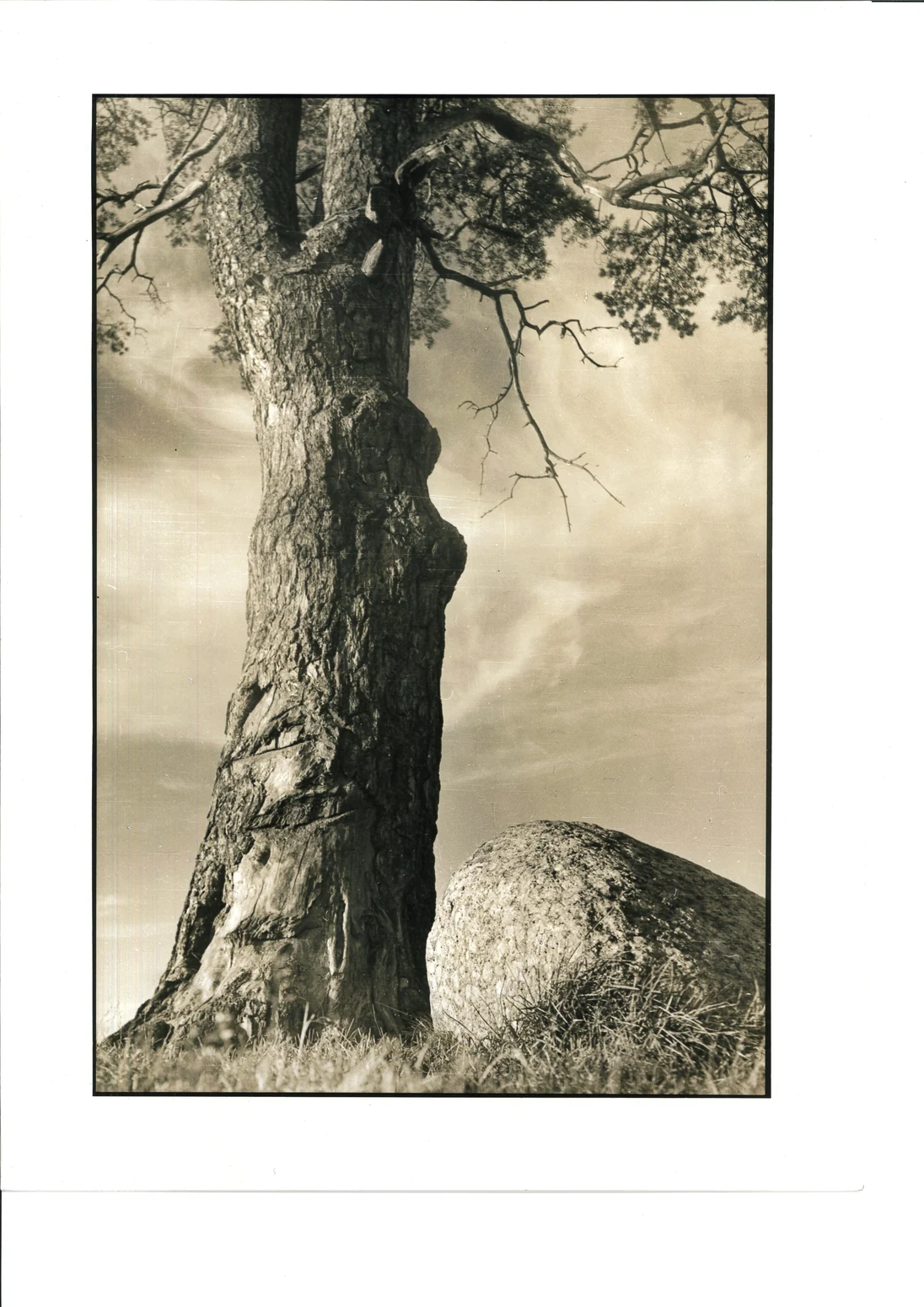
Alexander Roshchin dates the image to 1987–1988 and identifies sodium-sulfide sepia toning. A March 1989 exhibition photograph shows a matching composition. The impression exhibited has not been identified.
The reverse preserves the earlier wording Sack of Flour. Roshchin identified the subject as onions and gave the corrected title Sack of Onions. He dates the image to March 1989.
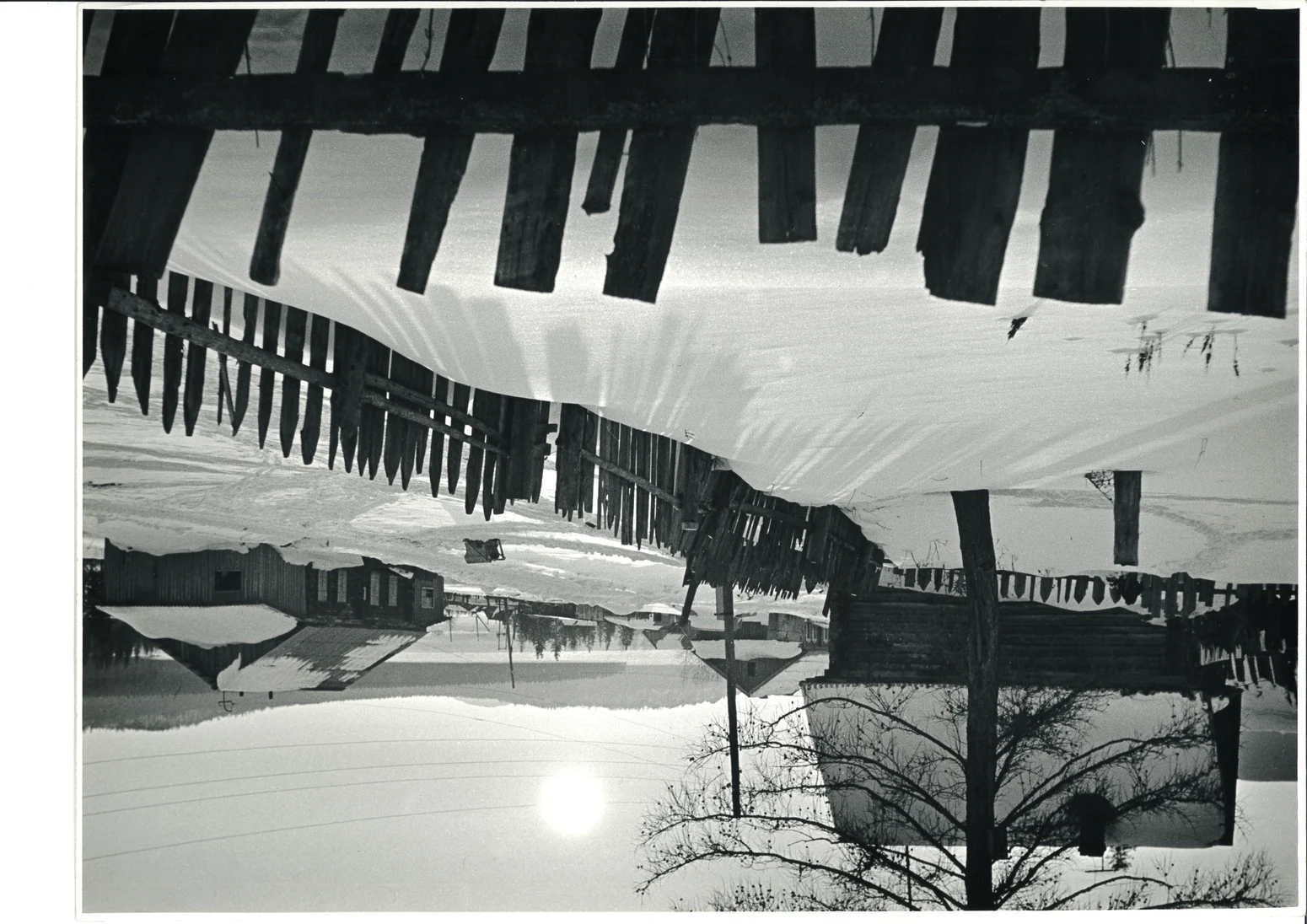
Roshchin identified the scene as Zyuratkul Settlement and dated it to the evening of March 3, 1985, during a ski expedition in the Southern Urals. The reverse records an earlier title.